Introduction :
Social brain science is a captivating field that investigates how people's considerations, sentiments, and ways of behaving are impacted by the social climate. It digs into the mind boggling elements of human communication, revealing insight into points like congruity, mentalities, bias, and gathering conduct. In this article, we will dig into the domain of social brain research, looking at its definition, key viewpoints, and the effect it has on people and society all in all. By understanding the central standards of social brain research, we can acquire experiences into the human way of behaving and foster a more prominent comprehension of ourselves as well as other people.
I. Figuring out Friendly Brain research :
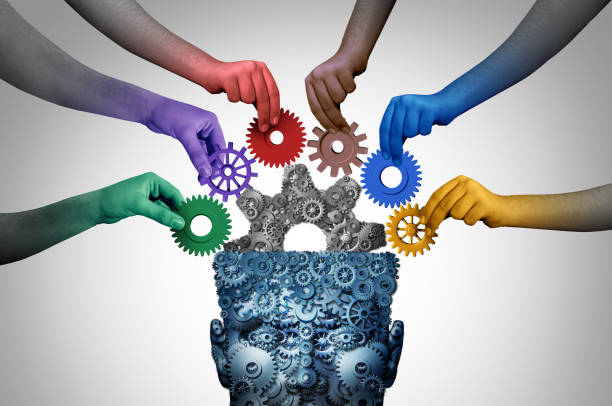
Social brain research is the logical investigation of how individuals' contemplations, sentiments, and ways of behaving are molded by their collaborations with others. It centers around the impact of social elements, like accepted practices, collective vibes, and social impacts, on individual ways of behaving and mental cycles.
II. Social Discernment and Cognizance :
Social discernment and cognizance investigate how people see and decipher social data. Subjects in this part of social brain science incorporate impression development, attribution processes, social patterns, and the job of generalizations in molding decisions.
III. Perspectives and Disposition Change :
Perspectives are assessments and convictions people hold about individuals, articles, or thoughts. Social brain science looks at how mentalities are shaped, kept up with, and changed. It investigates the cycles of influence, mental cacophony, and the effect of social impact on disposition development.
IV. Congruity and Acquiescence :
Congruity alludes to changing one's convictions or ways of behaving to line up with the greater part assessment or accepted practices. Dutifulness includes consenting to the orders of power figures. Social brain science explores the elements that impact similarity and submission, for example, bunch pressure, situational variables, and individual contrasts.
V. Collective vibes :
Collective vibes analyze how people act with regards to gatherings. It investigates subjects, for example, bunch arrangement, authority, similarity inside gatherings, collective choice making processes, and intergroup relations. Social brain research reveals insight into how gatherings impact individual ways of behaving and the elements that emerge inside them.
VI. Bias and Separation :
Bias includes negative mentalities, convictions, and generalizations held towards people in view of their participation in a specific gathering. Segregation alludes to unjustifiable treatment in view of these biases. Social brain science inspects the beginnings and results of bias, as well as methodologies to diminish segregation and advance uniformity.
VII. Prosocial Conduct and Aiding :
Prosocial conduct alludes to activities planned to help others, like aiding, sharing, and participation. Social brain research investigates the variables that impact prosocial conduct, including sympathy, selflessness, accepted practices, and situational impacts. It examines the reason why individuals help or take part in prosocial acts and how these ways of behaving can be empowered.
VIII. Animosity and Struggle :
Social brain science looks at the causes and results of animosity, struggle, and viciousness. It investigates the mental variables that add to forceful ways of behaving, like dissatisfaction, social learning, and the job of media. Moreover, it researches systems for lessening animosity and settling clashes.
IX. Social Character and Self :
Social character alludes to a singular's identity from their gathering participations. Social brain science investigates what social character means for self-idea, confidence, and conduct. It looks at the cycles of social examination, personality development, and the effect of gathering participation on individual ways of behaving.
Conclusion:
Social brain science gives important bits of knowledge into how social variables shape our contemplations, feelings, and ways of behaving. By concentrating on friendly discernment, mentalities, similarity, collective vibes, bias, prosocial conduct, hostility, and social personality, we gain a more profound comprehension of human conduct in friendly settings. This understanding can add to advancing positive social change, cultivating sympathy, lessening bias, and improving relational connections. Social brain science is a powerful field that keeps on unwinding the intricacies of human social connection, offering significant information that can work on how we might interpret ourselves and our general surroundings.
Social brain science is a captivating field that investigates how people's considerations, sentiments, and ways of behaving are impacted by the social climate. It digs into the mind boggling elements of human communication, revealing insight into points like congruity, mentalities, bias, and gathering conduct. In this article, we will dig into the domain of social brain research, looking at its definition, key viewpoints, and the effect it has on people and society all in all. By understanding the central standards of social brain research, we can acquire experiences into the human way of behaving and foster a more prominent comprehension of ourselves as well as other people.
I. Figuring out Friendly Brain research :
Social brain research is the logical investigation of how individuals' contemplations, sentiments, and ways of behaving are molded by their collaborations with others. It centers around the impact of social elements, like accepted practices, collective vibes, and social impacts, on individual ways of behaving and mental cycles.
II. Social Discernment and Cognizance :
Social discernment and cognizance investigate how people see and decipher social data. Subjects in this part of social brain science incorporate impression development, attribution processes, social patterns, and the job of generalizations in molding decisions.
III. Perspectives and Disposition Change :
Perspectives are assessments and convictions people hold about individuals, articles, or thoughts. Social brain science looks at how mentalities are shaped, kept up with, and changed. It investigates the cycles of influence, mental cacophony, and the effect of social impact on disposition development.
IV. Congruity and Acquiescence :
Congruity alludes to changing one's convictions or ways of behaving to line up with the greater part assessment or accepted practices. Dutifulness includes consenting to the orders of power figures. Social brain science explores the elements that impact similarity and submission, for example, bunch pressure, situational variables, and individual contrasts.
V. Collective vibes :
Collective vibes analyze how people act with regards to gatherings. It investigates subjects, for example, bunch arrangement, authority, similarity inside gatherings, collective choice making processes, and intergroup relations. Social brain research reveals insight into how gatherings impact individual ways of behaving and the elements that emerge inside them.
VI. Bias and Separation :
Bias includes negative mentalities, convictions, and generalizations held towards people in view of their participation in a specific gathering. Segregation alludes to unjustifiable treatment in view of these biases. Social brain science inspects the beginnings and results of bias, as well as methodologies to diminish segregation and advance uniformity.
VII. Prosocial Conduct and Aiding :
Prosocial conduct alludes to activities planned to help others, like aiding, sharing, and participation. Social brain research investigates the variables that impact prosocial conduct, including sympathy, selflessness, accepted practices, and situational impacts. It examines the reason why individuals help or take part in prosocial acts and how these ways of behaving can be empowered.
VIII. Animosity and Struggle :
Social brain science looks at the causes and results of animosity, struggle, and viciousness. It investigates the mental variables that add to forceful ways of behaving, like dissatisfaction, social learning, and the job of media. Moreover, it researches systems for lessening animosity and settling clashes.
IX. Social Character and Self :
Social character alludes to a singular's identity from their gathering participations. Social brain science investigates what social character means for self-idea, confidence, and conduct. It looks at the cycles of social examination, personality development, and the effect of gathering participation on individual ways of behaving.
Conclusion:
Social brain science gives important bits of knowledge into how social variables shape our contemplations, feelings, and ways of behaving. By concentrating on friendly discernment, mentalities, similarity, collective vibes, bias, prosocial conduct, hostility, and social personality, we gain a more profound comprehension of human conduct in friendly settings. This understanding can add to advancing positive social change, cultivating sympathy, lessening bias, and improving relational connections. Social brain science is a powerful field that keeps on unwinding the intricacies of human social connection, offering significant information that can work on how we might interpret ourselves and our general surroundings.
Key Words,
Social psychology
aspects of social psychology
social perception and cognition
attitudes and attitude change
conformity and obedience
group dynamics
prejudice and discrimination
prosocial behavior and helping
aggression and conflict
social identity and self
social influence and behavior
social norms and conformity
stereotypes and prejudice
group decision-making
reducing discrimination
empathy and altruism
resolving conflicts
social comparison and self-esteem
promoting positive social change
interpersonal relationships and social psychology
Comments
Post a Comment